Guide
Who owns this property?
A title search names the registered owners of any property in Australia: the vacant block next door, the house with the overgrown tree, the place you'd like to make an offer on. It won't give you a phone number, and in most states it won't give you an address.
See the exact lot and title before you pay. No title, no charge.
How do I find out who owns a property?
Order a title search for the address. Land registers are public, so anyone can search any title without the owner's permission. The title shows every registered owner's full name. If a company owns it, or a trustee holds it for a trust, the title shows that name instead.
Councils hold owner details for rates, but they generally won't give them out, citing privacy. The title is the reliable route to a name.
Will the title give me their address or phone number?
It depends on the state. Every title shows the owners' names. Only four print an address, and no title anywhere shows a phone number or email. We don't provide contact details either.
| State | Owner's name | Owner's address |
|---|---|---|
| NSW | Yes | No |
| Victoria | Yes | Yes |
| Queensland | Yes | No |
| WA | Yes | Yes |
| SA | Yes | Yes |
| Tasmania | Yes | No |
| ACT | Yes | No |
| NT | Yes | Yes |
How can I contact the owner?
- A house: a letter addressed to the owner by name at the property often reaches them. If tenants live there, they or the managing agent can usually pass it on.
- Victoria, WA, SA or the NT: write to the address for service printed on the title.
- Vacant land: councils generally won't share the owner's details, but it's worth asking whether they'll forward a letter.
- A company owner: a company extract from ASIC shows its registered office address.
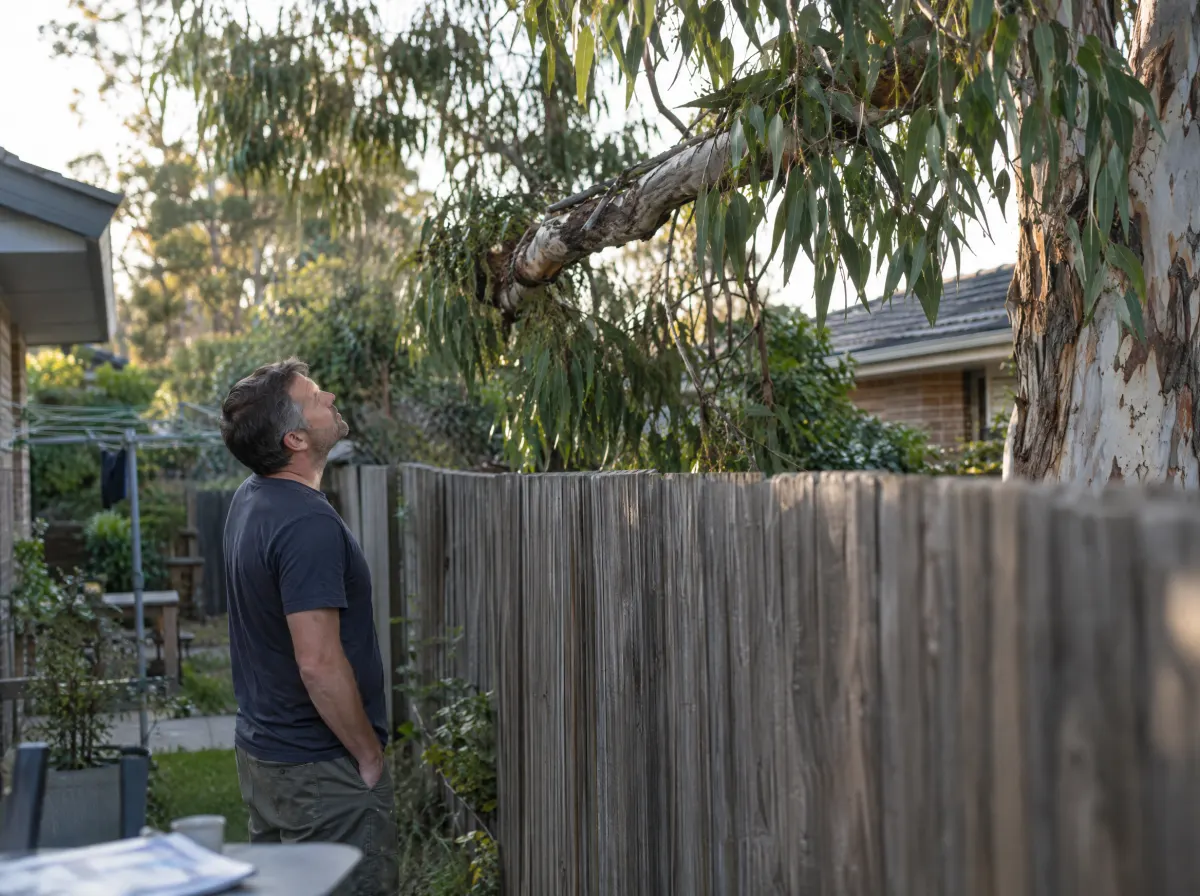
- A fence or tree dispute: your state's dividing fences rules explain how to serve a notice on the owner, and a free community mediation service can help you both agree.
Does the title show where the boundary is?
No. The title tells you who owns the land and its lot and plan, not where the line runs. The boundaries and measurements are on the plan, and only a registered surveyor can mark the line on the ground. Tasmania is the exception for drawings: its title includes the face plan.
We don't sell plans on their own yet. You can order one from your state's registry or its brokers today; see deposited plans. For a dispute over a fence or tree, the council, a mediation service or a solicitor is the next step.
Which option fits an owner lookup?
The Title search is enough for most lookups: the owner's name, their address where the state prints one, and the one-page summary. If you're thinking of making an offer, the Title + Full Report also explains any mortgages, caveats, easements and pending dealings.
Look up the ownerCommon questions
Can I find out who owns a property for free?
Owner names come from the title, and every registry charges a fee for it, from A$8.30 in Victoria when you know the volume and folio. Free government maps show the lot and plan and often the zoning.
Can I search by the owner's name to see what they own?
Not with us yet: we search by property, using the address, lot and plan, or title reference. Some registries offer owner-name searches, with conditions.
Why doesn't the title show the owner's address?
Only Victoria, WA, SA and the NT print an address for service. Titles in NSW, Queensland, Tasmania and the ACT show names only.
Is it legal to look up who owns a property?
Yes. Australian land titles are public records. Some states' terms bar using owner names for direct marketing.
What if the owner is a company or a trust?
The title shows the company or the trustee's name. For a company, an ASIC company extract shows its registered office and directors.
Does the title show who lives at the property?
No. It shows the registered owners, not tenants or anyone else living there.